Offsets and Credits
Carbon Offsets and Credits
Understand how carbon offsets and credits work, what a verified tonne of CO2 means, how projects are checked and how to read a carbon claim before you trust it.
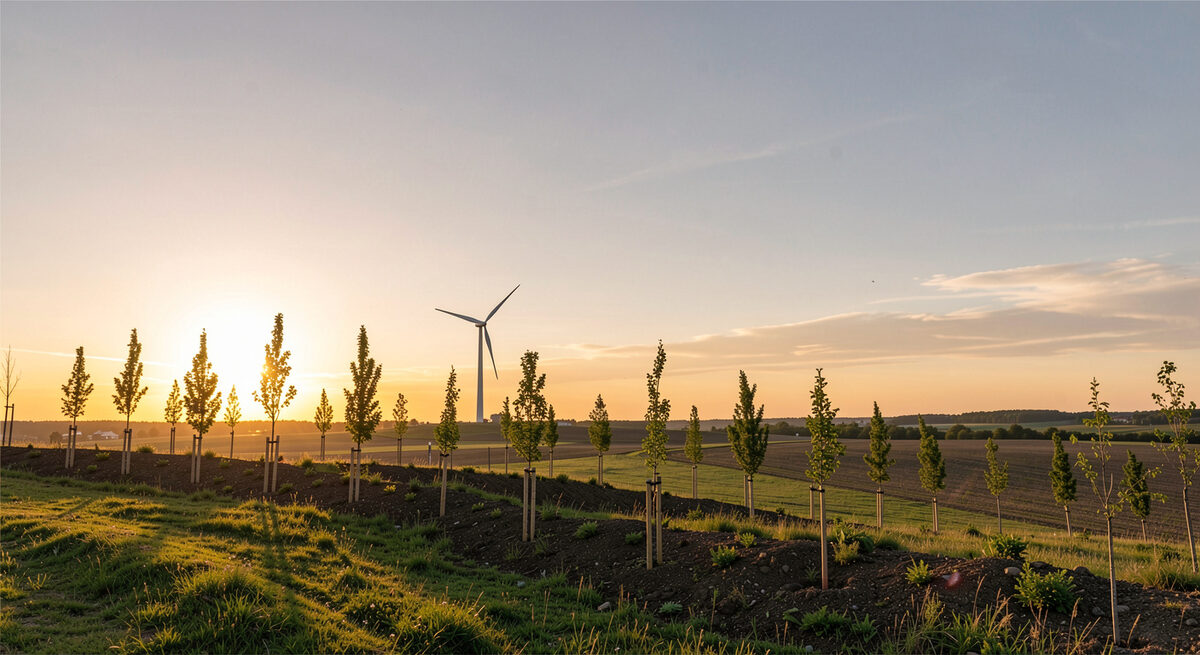
Offset and credit are not synonyms
An offset is the act: you finance a project that reduces or removes emissions, and you count that reduction against your own. A credit is the instrument: one credit usually represents one metric tonne of carbon dioxide equivalent that has been reduced, avoided or removed, and it can be held, sold or retired. When an individual buys an offset, a credit is retired in a registry on their behalf so it cannot be sold again. When a company buys credits on a market, it is trading the same kind of unit. The unit is shared; the purpose differs.
That distinction matters because a credit only does its job once it is retired. A credit that sits in an account has changed nothing in the atmosphere. The moment of retirement, recorded in a public registry, is the moment the claim becomes real. The guide to how offsets work follows that path from purchase to retirement.
What a verified tonne means
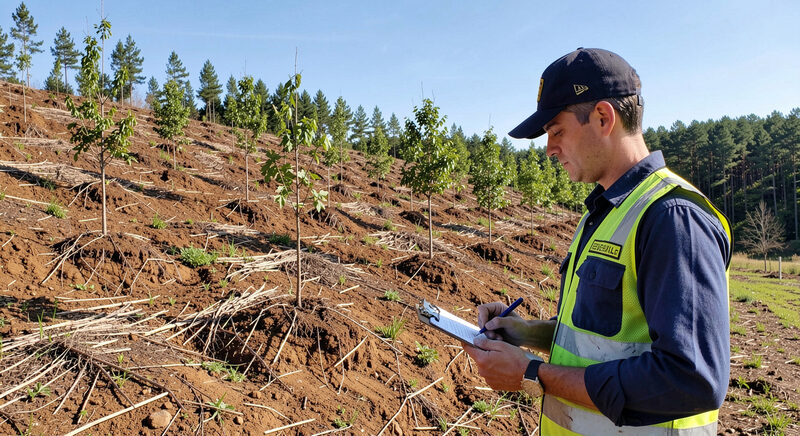
Not every tonne is equal, and the phrase verified tonne is doing real work. A credible offset has to clear several tests. It must be additional, meaning the reduction would not have happened without the money from the credit. It must be measurable, using a recognised method. It must be permanent enough that the carbon does not return to the atmosphere in a few years, which is the central worry with forestry and the reason forest carbon projects face extra audit checks on measurement and risk. And it must not be double counted, meaning only one buyer can claim it.
Independent standards exist to apply those tests. The main ones set rules for how a project is designed, monitored and verified by a third party auditor, and they run registries where credits are issued, tracked and retired. The verification guide explains how a certificate can be checked by anyone.
The main project types
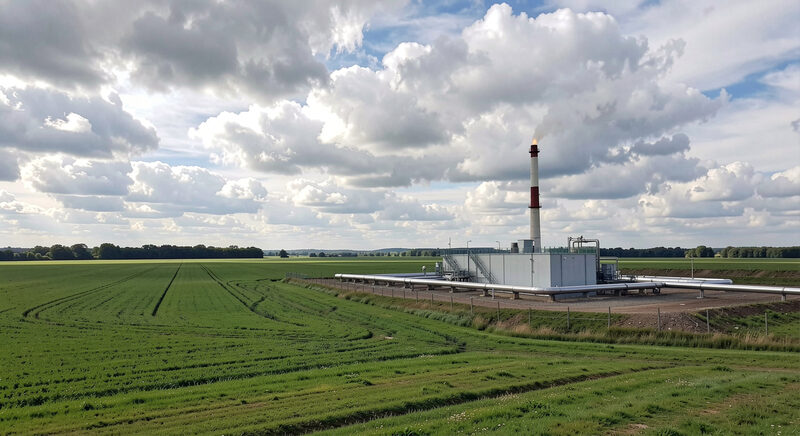
Offset projects fall into a few broad families. Clean energy projects build or support wind, solar or other low carbon generation, displacing fossil power. Forestry projects plant trees, protect existing forest or restore degraded land, and they are the only family that removes carbon from the air rather than avoiding new emissions. Methane capture projects trap gas from landfills, farms or coal mines and burn or use it, which matters because methane is far more potent than carbon dioxide. Each family carries different strengths and different risks, compared in the project types guide.
What offsets can and cannot do
Offsetting is a complement to reduction, not a substitute for it. Buying credits while emissions rise is not a climate strategy; it is a transaction. The accepted order is to measure, reduce what can be reduced, and offset only the remainder, while being clear about how much of the total that remainder is. A claim of carbon neutrality built on offsets alone, without any reduction, will not survive scrutiny and increasingly will not survive regulation.
Offsets also cannot fix a boundary problem. If a company offsets its scope 1 and 2 emissions while its scope 3 remains unmeasured and large, the claim describes a small part of its footprint. The business footprint guide shows how to set that boundary honestly.
Reading a carbon claim
When a product, a company or an event claims to be carbon neutral, four questions cut through most of the noise. Which emissions were counted, and over what boundary. How were they reduced before being offset. Which standard verified the credits and in which registry they were retired. And what remains excluded. A claim that answers all four is one you can trust further than one that answers none.
Labels and marketing language add another layer, because the words carbon neutral, net zero and climate positive do not all mean the same thing and are not all regulated in the same way. The guide to reading carbon labels takes the wording apart.
Why prices vary so much
Offsets trade at prices that can differ by a factor of ten or more for a tonne that looks similar on the surface. The gap comes from the project type, the standard, the vintage and the location, and also from demand. Avoided emissions are generally cheaper than removals, because preventing a release is easier than taking carbon back out of the air. Older credits sell for less than newly issued ones. And a project in a region with high costs will price above one where land and labour are cheap. Price is therefore a signal to investigate rather than a verdict on quality, and the project types guide explains where the cost differences come from.
Where to go next
If you are new to the subject, start with the mechanics in how carbon offsets work, then look at how a project earns its credits in the verification guide. If you are weighing a purchase, the project types and the questions page will help you compare offers on substance rather than price alone. And if you are considering offsetting a household or a business, measure first with the calculator or the business method, so you know what the remainder actually is.

Offsets and Credits
How Carbon Offsets Work
Follow what happens when you buy a carbon offset: the project, the registry, the retired credit and the tonne of CO2 that stands behind the claim.
From payment to a retired credit with a serial number.
Offsets and Credits
How Offsets Are Verified
Learn how offset projects are verified, what registries record, why additionality and permanence matter and how to check a certificate yourself.
Additionality, permanence, and the registry record.
Offsets and Credits
Types of Offset Projects
Compare the main carbon offset project types: clean energy, reforestation and avoided deforestation, and methane capture, with their strengths and their risks.
Clean energy, forests and methane, with their risks.

Offsets and Credits
Reading Carbon Labels
Read a carbon label or a company claim without being misled: what a product footprint covers, what carbon neutral means and which wording to question.
Carbon neutral, net zero and the words in between.
Offsets and Credits
How Forest Carbon Credits Are Verified
What an auditor checks before a forest carbon credit is issued: sample plots, satellite baselines, leakage, the buffer pool and the registry record.
Plots, baselines, leakage and the buffer behind each tonne.