Cutting Emissions
Cutting Carbon Emissions
Find the changes that cut the most emissions at home, on the road and in a small business, ranked by impact and explained without greenwash.
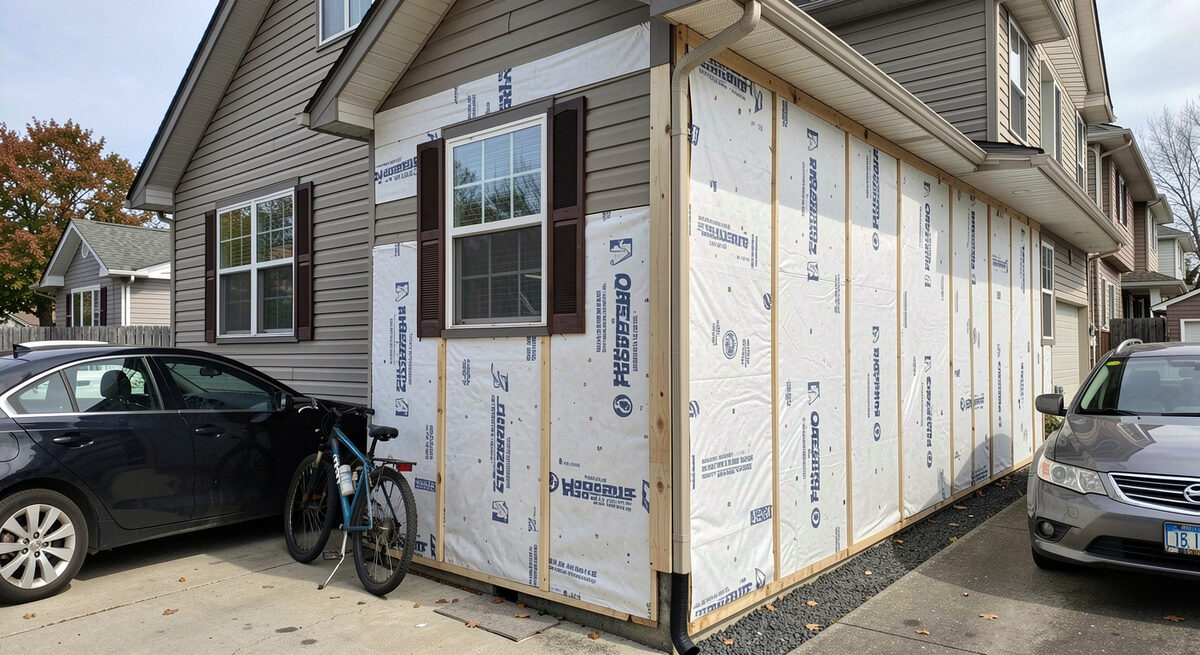
Find the few things that matter
In a typical household the total is dominated by heating and cooling, driving and flying. In a typical small business the same three appear, joined by the energy embedded in the goods and services it buys. That concentration is good news, because it means effort can be focused. A change to how a home is heated, or a decision to take one fewer long flight, will usually outweigh every lightbulb and standby plug in the building combined. The household guide shows how those blocks are sized.
The order of work is the same everywhere: measure first, then act on the largest source, then act on the next. Acting before measuring risks spending effort on the small stuff, which feels productive and changes little.
Home energy first
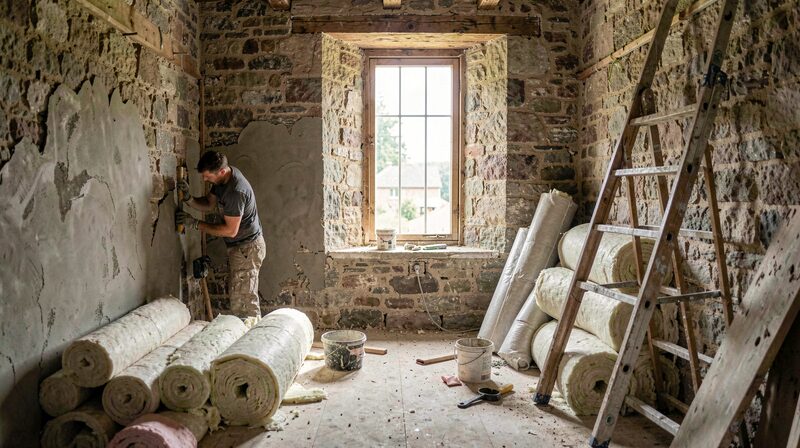
Because heating and cooling usually dominate a household total, the highest value measures sit there: improving insulation, sealing draughts, setting the thermostat a degree lower in winter and a degree higher in summer, and replacing an old heating system with a more efficient one when it is due for replacement anyway. Appliances and lighting matter, but they are a smaller slice, and swapping a working appliance early rarely pays back the carbon spent to make the new one. The home energy guide ranks these measures by the size of the cut and the payback period.
Transport next
On the road, emissions depend on distance and on efficiency together. The biggest lever is usually the vehicle itself, because a car that uses half the fuel halves the driving footprint for as long as it is owned. Behind that comes how the car is driven, then how much it is driven. For many households, though, the single largest transport item is air travel, where one long trip can exceed a year of commuting. The transport guide compares car, rail and air and shows which changes actually move the yearly total.
Food and goods, held loosely
Diet and shopping can carry a meaningful share of a personal footprint, but they are also the hardest to measure, so the sensible approach is to act where the direction is clear rather than to chase precision. Reducing food waste and shifting some meals away from the most emissions intensive foods are changes that are low cost and broadly beneficial. Buying less, and keeping things longer, reduces the emissions tied up in manufacturing without needing a calculator to justify it.
A small business path
For an organisation, the sequence is more formal but the logic is identical. Measure a first inventory across the scopes that apply, set a target, act on the largest sources and report progress each year. The measures that pay back fastest are usually the same as at home: heating, lighting, equipment and the way people travel to work. Beyond that, procurement becomes the lever, because the goods and services a business buys often hold more emissions than its own operations. The carbon neutral business guide sets out the steps, and the business footprint guide explains the scopes they rest on.
The order of work in practice
Knowing which sources dominate is only half the job; the other half is sequencing the work so that effort compounds instead of cancelling out. The rule that holds across households and organisations is to reduce demand before changing supply. Insulate and draught proof before sizing a new heating system. Drive less before buying a more efficient car. Cut the flights you can before offsetting the ones you keep. Each step makes the next one smaller and cheaper.
It also helps to separate measures into three buckets. The first bucket is the measures that save money as well as carbon, such as insulation, efficient lighting and better heating controls, and these should almost always go first. The second is the measures that cost money but are unavoidable at some point, such as replacing a heating system or a vehicle at the end of its life, where the decision is not whether to spend but what to buy. The third is the measures that are purely voluntary, such as taking fewer flights, where the trade off is personal and the carbon saving is real but the cost is not measured in money alone.
Working through the buckets in order avoids the two common traps. The first trap is doing the visible small things and calling it a plan. The second is waiting for a perfect measure, such as a full retrofit, and doing nothing until it is affordable. A useful plan mixes a few big decisions with a handful of cheap ones, and it is reviewed once a year.
Then offset what remains
After reducing what can be reduced, a remainder usually stays, because some emissions are impractical to remove in the near term. That remainder is what offsetting is for, and it should be offset transparently: the size of the remainder stated, the standard named and the credits retired in a public registry. Offsetting is the last step, not the first, and it works best when the reductions before it are real. The offsets section explains how to buy and verify compensation properly, and the questions page answers the doubts that come up along the way.
Cutting Emissions
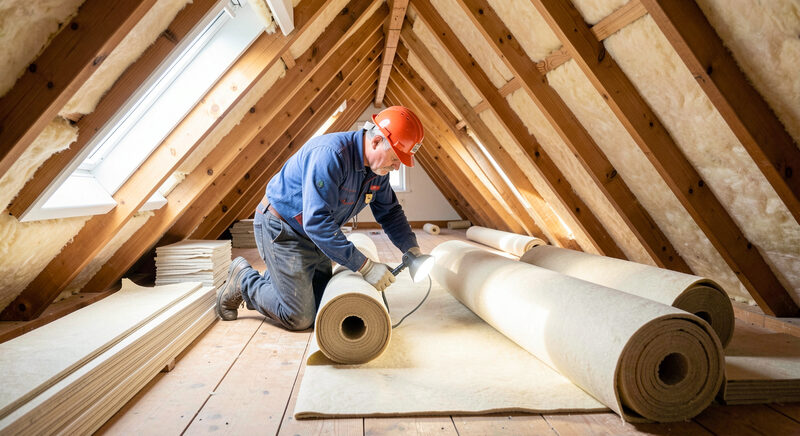
Home Energy Changes That Cut Emissions
Rank the home changes that cut emissions most, from heating and insulation to appliances and lighting, with the running costs and payback to expect.
Insulate first, then controls, then the system at replacement.
Cutting Emissions
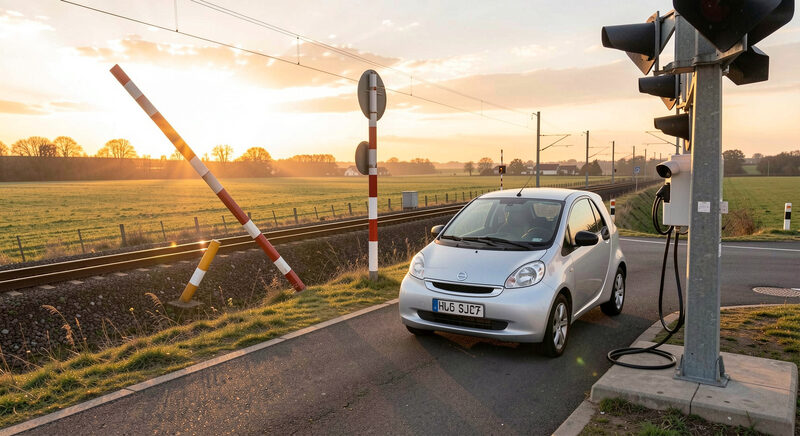
Driving and Transport Emissions
Work out how much driving and flying add to a footprint, compare car, rail and air, and see which transport changes actually move the yearly total.
Distance and efficiency together, and the flight that dwarfs both.
Cutting Emissions
Becoming a Carbon Neutral Business
A step by step path for a small business to cut emissions, offset the rest and make a carbon neutral claim that stands up to scrutiny.
Five steps a small business can actually follow.

Cutting Emissions
Carbon Training and Careers
See what carbon accounting courses and training cover, which roles hire for these skills and how to build a first greenhouse gas inventory as practice.
Standards, arithmetic, inventories and the roles that hire.

Cutting Emissions
Carbon Questions Answered
Short answers to common carbon questions: offsets versus credits, personal versus business footprints, costs, additionality, double counting and where to start.
The short answers, with links to the long ones.

Cutting Emissions
Swimming Pool Energy Use and Emissions
Where a backyard pool's energy goes, why the pump and heater matter most, and which fixes cut emissions first, from variable speed pumps to covers.
Cutting Emissions
Renovate or Rebuild: The Embodied Carbon Question
Why renovating a house usually beats rebuilding on carbon, what embodied carbon is, which parts weigh most and how to phase work to keep emissions down.