Cutting Emissions
Home Energy Changes That Cut Emissions
Rank the home changes that cut emissions most, from heating and insulation to appliances and lighting, with the running costs and payback to expect.
Why heating and cooling dominate
Space heating and cooling usually account for the largest share of a home's energy use, and hot water follows close behind. That is why the highest value measures all touch the building itself and the way it is heated. Lighting and appliances are visible and easy to change, which is exactly why they get more attention than they deserve: together they are typically a much smaller slice than the boiler or the air conditioner. The household guide shows how to size each block before acting.
Insulation and draughts
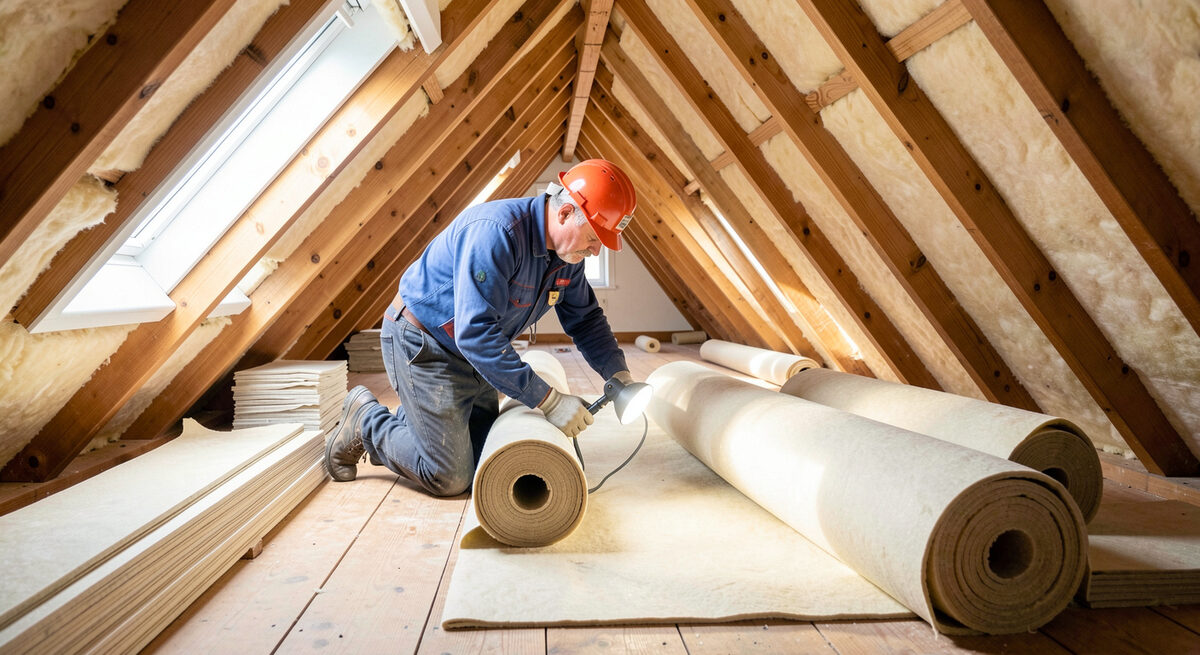
Insulation is unglamorous and usually the single most effective measure. Loft insulation, cavity or wall insulation and floor insulation all slow the rate at which heat escapes, which reduces the energy the heating system has to supply. Draught proofing around doors, windows and letterboxes is cheap and quick, and it complements insulation rather than replacing it. Payback depends on the starting point: a poorly insulated home can recover the cost in a few years, while an already efficient one will take longer. The important point is that insulation reduces demand permanently, so it keeps working after every other measure has been taken. For older houses the renovate or rebuild guide explains why keeping the structure and improving the envelope usually wins on carbon.
Heating systems and controls
When a heating system reaches the end of its life, the replacement choice locks in emissions for a decade or more. A more efficient boiler, a heat pump or a switch away from fossil fuel entirely can cut the heating footprint sharply, and the grid is getting cleaner over time, which improves the case for electric heating. Controls matter too: a programmable thermostat, zoned heating and a lower set point each reduce run hours. Turning the thermostat down by a single degree is a small change that compounds across a whole winter.
The same logic applies at the building envelope. A low-energy building reduces demand before any equipment is chosen: a thermal barrier in the wall, heat stored in the ground, and controlled ventilation with heat recovery all lower the load the heating system has to meet. Passive climatisation takes this further, using solar gain and ground temperatures for cooling as well as warmth. The German-language Bauklima Magazin covers these principles, along with energetic renovation of older stock and the planning standards behind them, for owners and planners who want the technical background rather than a product pitch.
Hot water
Water heating is the quiet second place in most homes. A well insulated cylinder, a lower storage temperature where safe, efficient shower heads and shorter showers all reduce the energy used. Solar thermal or a heat pump water heater can cut the fuel use further. None of these is dramatic on its own, but together they can move a meaningful share of the total, and they cost far less than a full heating replacement.
Appliances, lighting and electronics
Appliances and lighting are worth attention mainly at the moment of replacement. An old fridge or washing machine can be replaced with a far more efficient model when it fails, but swapping a working appliance early rarely repays the carbon spent to manufacture the new one. LED lighting is a clear win whenever a bulb needs changing. For electronics, the largest saving usually comes from using devices longer rather than buying efficient replacements, because most of a device's footprint is in its manufacture. Standby power is real but small; it is a rounding error next to heating. A backyard pool is a good example of a hidden load, and the pool energy guide shows how a slower pump and a cover cut it.
Renewable electricity and tariffs
Switching to a renewable electricity tariff is one of the fastest ways to reduce the electricity part of a footprint, because it changes the source of power without any physical work. The value depends on how the tariff is structured and whether it genuinely brings new renewable generation onto the grid, rather than simply reallocating existing certificates. Rooftop solar can cut both emissions and bills, though the carbon case depends on what it displaces. The calculator shows how the electricity factor feeds into the total.
Behaviour, habits and the rebound effect
Physical measures change how much energy a home needs; behaviour changes how much it uses. Both matter, and the second is often cheaper. Shorter showers, a lower thermostat, washing clothes at a lower temperature and drying them outside all reduce energy without any capital cost. The catch is that habits drift back unless something keeps them visible, which is why a programmable thermostat or a simple monthly check of the meter often outlasts good intentions.
There is also a rebound effect to keep in mind. Money saved on a more efficient appliance or a better insulated home can be spent on something else that carries its own emissions, and a cheaper car can be driven further. The effect does not cancel the saving, but it does mean that efficiency alone rarely delivers the full expected cut. Pairing an efficiency measure with a deliberate limit, such as a monthly driving budget or a heating set point, keeps the gain from leaking away. The transport guide applies the same reasoning to the car.
Putting the measures in order
The sensible sequence is insulation and draught proofing first, then heating controls, then the heating system at replacement, then hot water, then appliances and lighting as they wear out. This order reduces demand before changing supply, which is why it produces the largest cut for the least wasted effort. A home that follows it will find the remaining emissions are smaller and easier to offset, and the cutting emissions section shows how the home measures sit beside transport and business changes. For the practical questions that follow, the questions page gives short answers, and the transport guide takes the same approach to the car.